
24–27°C
Ideal temp

A Collaboration of


Kharif, Zaid and Rabi Crop · Cucurbitaceae Family
Bottle Gourd is a fast-growing, warm-season vegetable grown across India in three seasons. It is cultivated for fresh vegetable markets, domestic use, and juice production. The crop has a total field duration of 90–120 days with a continuous harvest window of 6 to 8 weeks.
 First harvest: 60–70 days
 Three seasons: Zaid, Kharif and Rabi
 Optimal temp: 24–27°C
 120–150 qtl per acre
24–27°C
Ideal temp
Sandy loam
Best soil
60–70 days
First harvest
90–120 days
Total duration
120–150 qtl
Yield/acre
Feb–Mar (temp 24–27°C)
Zaid sowing
June–July (temp 25–32°C)
Kharif sowing
Nov–Dec (temp 20–25°C)
Rabi sowing
Bottle Gourd completes five growth stages from germination to the end of the harvest period. Total crop duration is 90 to 120 days.
Germination
Day 5–7
Vine growth
Day 15–20
Flowering
Day 40–45
First harvest
Day 60–70
Season ends
Day 90–120
Basic agronomic and physical characteristics of the Bottle Gourd crop.
Plant type
Long climbing vine
Fruit colour
Light green, smooth surface
Fruit shape
Cylindrical to bottle-shaped
Taste
Mild, tender when young
Water need
Every 5–7 days; 9 irrigations per season
Temperature
24–27°C optimal growth
Variety selection depends on cropping season, soil type, and target market. Hybrid varieties generally produce higher and more uniform yields. Open pollinated varieties have lower seed cost.
Cylindrical green fruits 28–30 cm; tolerant to downy mildew; suitable for packaging and export markets
Small cylindrical green fruits; early maturing, high yielding; suitable for distant marketing
Oval-shaped fruits; tolerant to downy and powdery mildew; suitable for off-season Rabi production
Medium-long straight light green fruits; tolerant to blossom end rot; suited for summer and rainy seasons
Early maturing, oblong light green fruits; resistant to cucumber mosaic virus; good yield
Long cylindrical light green fruits; moderately resistant to mosaic disease; suitable for commercial markets
Indicative figures for one acre under standard management conditions. Actual returns vary with season, variety, and market access.
Common pests, diseases, and management issues in bottle gourd cultivation. Early identification and timely management help reduce crop loss.
Larvae infest fruit internally causing premature dropping and rotting. Collect and destroy infested fruits. Install pheromone traps before flowering begins, around 30–35 days after sowing. Monitor field every 3 to 4 days.
Small white powdery spots appear on leaves and stems; spreads rapidly in dry weather with high humidity. Apply M-45 or Mancozeb 400–500 gm per 150 litres of water at first sign of infection.
Chlorotic spots on upper leaf surface; grey fungal growth on underside. Spray Mancozeb 400 gm per 150 litres of water per acre. Use drip irrigation instead of overhead sprinklers.
Beetles feed on young leaves and roots, causing significant damage at early growth stages. Monitor crop from germination and apply recommended insecticide at first sign of infestation.
Stunted growth and reduced yield; spread by aphid vectors. Remove and destroy infected plants immediately. Control aphid population to reduce virus spread.
Bottle Gourd is grown commercially across a range of agro-climatic zones in India.
 Hindi
05:06
Hindi
05:06
Soil Preparation and Land Levelling
Hindi
05:28
Soil Preparation and Land Levelling
Hindi
04:52
Soil Preparation and Land Levelling
Hindi
06:10
Sowing Methods and Best Practices
Hindi
05:45
Sowing Methods and Best Practices
Hindi
07:20
Irrigation Scheduling for Wheat
Hindi08:00
Fertilizer Application
Hindi06:30
Fertilizer Application
Hindi05:45
Fertilizer Application
Hindi09:15
Harvesting and Threshing
Hindi07:40
Harvesting and Threshing
Hindi06:22
Harvesting and Threshing


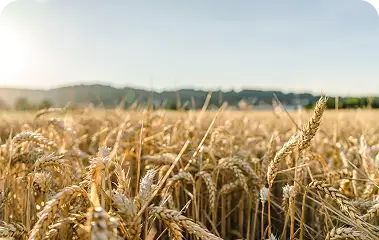
Wheat is grown as a Rabi crop, sown from October to December and harvested from March to May.
Punjab, Haryana, Uttar Pradesh, Rajasthan, Bihar, and Madhya Pradesh are among the major wheat-producing states.
Wheat is grown as a Rabi crop, sown from October to December and harvested from March to May.
Punjab, Haryana, Uttar Pradesh, Rajasthan, Bihar, and Madhya Pradesh are among the major wheat-producing states.


